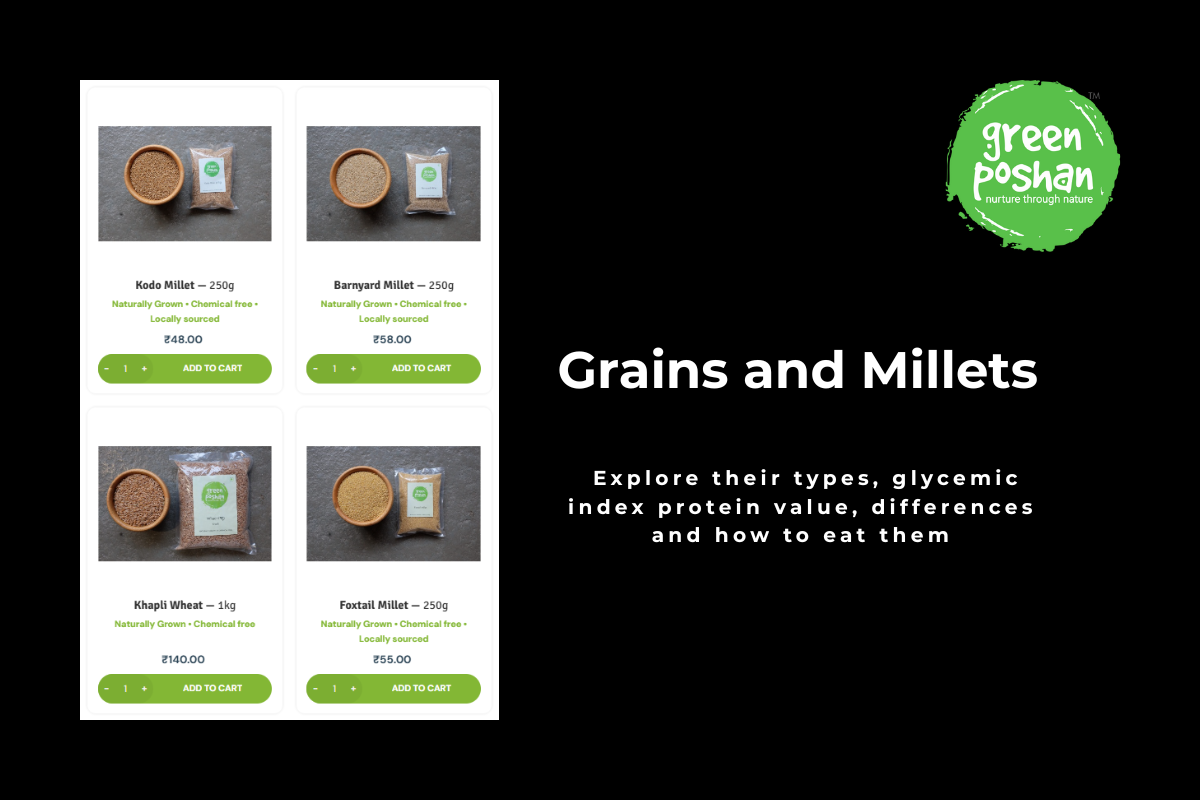
In a world that’s becoming more health-conscious every day, the spotlight is turning toward ancient nutritional powerhouses — grains and millets. Once viewed as humble staples, they’re now reclaiming their place on our plates as high-protein boosters with incredible health benefits. Let’s dive into the new-age revival of these traditional foods and explore why they belong in your daily diet.
What Are Grains and Millets?
Whole grains are cereal grains that retain all parts of the grain — bran, germ, and endosperm. This includes familiar names like wheat, oats, and brown rice.
Millets, on the other hand, are a group of small-seeded grasses cultivated for thousands of years, especially in Asia and Africa. Examples include ragi (finger millet), jowar (sorghum), and bajra (pearl millet). These are naturally gluten-free, high in fiber, and rich in protein, iron, and essential minerals.
Are Grains and Millets the Same?
No — though both belong to the cereal family, they differ in structure, nutritional value, and health impact.
| Feature | Grains (e.g., wheat, rice) | Millets (e.g., ragi, jowar) |
| Gluten Content | Often contains gluten | Gluten-free |
| Glycemic Index | Usually higher | Generally low |
| Climate Resilience | Sensitive to drought | Highly drought-resistant |
| Nutritional Density | Good | Often higher |
Millets are now being recognized as superior alternatives to common grains, especially for those with diabetes, gluten intolerance, or weight management goals.
Types of Grains and Millets You Should Know
There are dozens of whole grains and millets, but here are some you should definitely explore:
Popular Whole Grains
- Wheat
- Oats
- Barley
- Quinoa
- Brown rice
- Corn
Explore the World of Millets
- Ragi (Finger Millet)
- Jowar (Sorghum)
- Bajra (Pearl Millet)
- Foxtail Millet
- Little Millet
- Barnyard Millet
- Kodo Millet
- Proso Millet
- Browntop Millet
- Guinea Millet
- Fonio
Explore our full collection of nutrient-rich millets and grains here to add these protein-rich staples to your diet.
Related Products
-
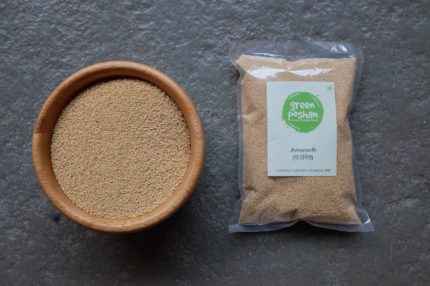
Amaranth (Rajgira) — 250g
₹75.00 -
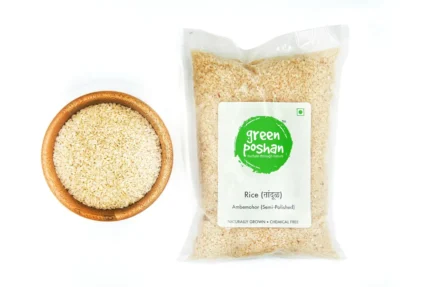
Ambemohor Rice — 1kg
₹160.00 -
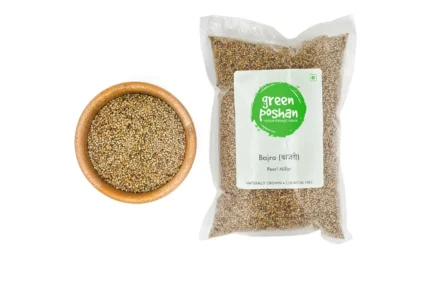
Bajra — 1kg
₹95.00 -
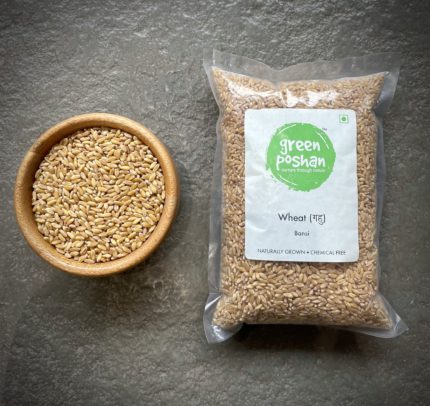
Bansi — 1kg
₹85.00
What Are the 11 Types of Millets?
Here’s a closer look at the 11 most popular types of millets and why they deserve space in your pantry:
- Ragi (Finger Millet) – High in calcium and iron
- Jowar (Sorghum) – Rich in protein and antioxidants
- Bajra (Pearl Millet) – Excellent for heart and digestive health
- Foxtail Millet – Low glycemic index, great for diabetics
- Little Millet – Packed with B vitamins and minerals
- Barnyard Millet – Low-calorie and high in fiber
- Kodo Millet – Boosts energy and digestion
- Proso Millet – High in protein and lecithin
- Browntop Millet – Naturally detoxifying and high in iron
- Guinea Millet – Great for gut health
- Fonio – Africa’s ancient gluten-free supergrain
Glycemic Index of Grains and Millets
If you’re managing blood sugar levels, understanding glycemic index (GI) is essential.
- High GI Grains: White rice, refined wheat (spike blood sugar)
- Low GI Millets: Ragi, foxtail, kodo, and barnyard millets (slow-release energy)
Learn more about the glycemic index of foods from this Harvard resource.
How to Eat Millet Grain
Millets are versatile and can replace rice, wheat, and even oats in most dishes:
- Boiled or steamed like rice
- Ground into flour for rotis or pancakes
- Cooked as porridge for breakfast
- Used in salads, soups, and khichdi
- Fermented for dosa, idli, and other gut-friendly recipes
Start slow, mix with familiar grains, and hydrate well while consuming.
Difference Between Grains and Millets
| Category | Grains | Millets |
| Origin | Common cereals like wheat, rice | Ancient crops like ragi, jowar |
| Gluten | Present in many grains | Naturally gluten-free |
| Nutrients | Good in fiber and carbs | Richer in protein, iron, and zinc |
| GI | Mostly moderate to high | Mostly low |
| Adaptability | Not drought-resistant | Climate-resilient crops |
Millets offer a nutritional edge, especially for those on plant-based, diabetic-friendly, or weight-loss diets.
Final Thoughts: Why Millets Deserve the Hype
Millets aren’t just a trend — they’re a return to smart eating. Packed with protein, fiber, and essential nutrients, they’re ideal for modern lifestyles. Whether you’re a fitness enthusiast, a diabetic patient, or simply seeking clean nutrition, these high-protein boosters are your go-to food.
Stay updated with natural nutrition and clean eating insights with Green Poshan.