

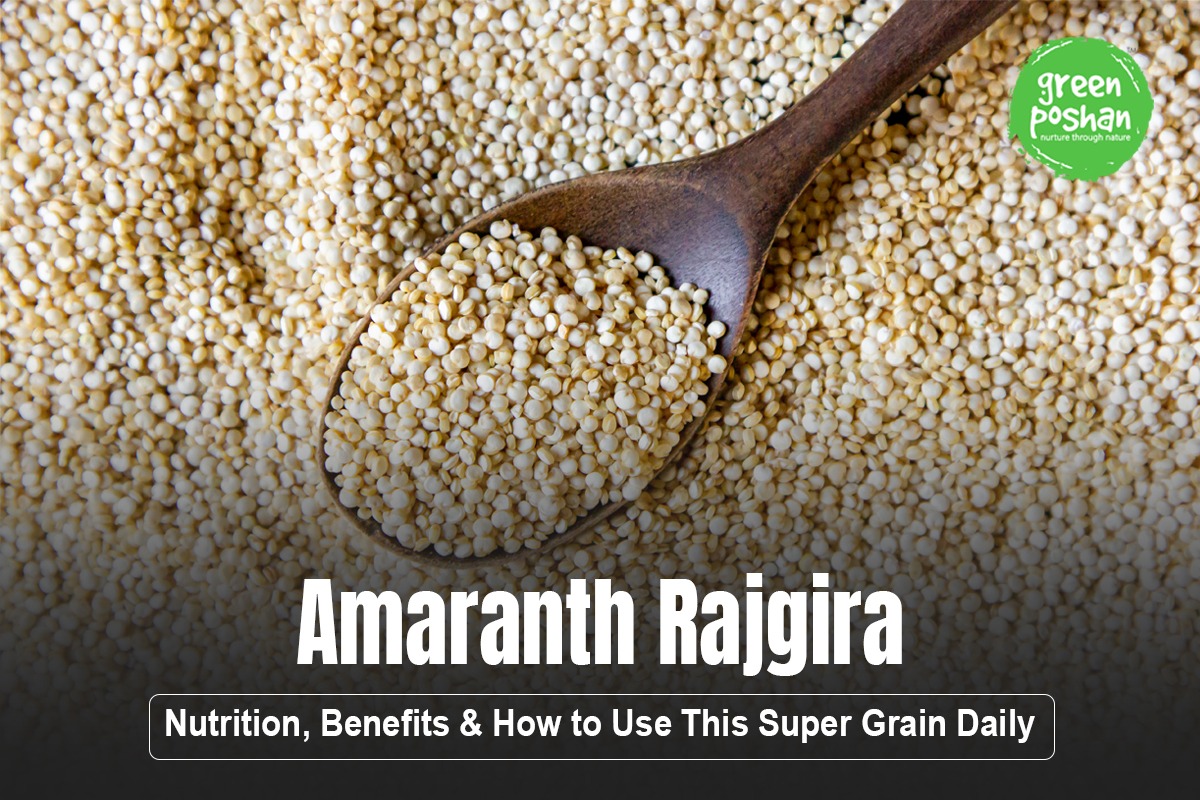
Rajgira, also known as Amaranth, is an ancient grain revered for its powerful health benefits and nutritional richness. In India, it is widely used during fasting periods and also gaining popularity globally as a gluten-free supergrain. Whether you know it as “Rajgira” in Hindi or “Amaranth” in English, this tiny seed is loaded with big health benefits. In this blog, we’ll explore the meaning of Rajgira in English, its flour and grain forms, amaranth rajgira benefits, popular recipes, and how to add it to your everyday diet.
1. What is Rajgira (Amaranth)
Rajgira, meaning “Royal Grain” in Sanskrit, is the Hindi name for Amaranth. Though technically a seed, it’s consumed like a grain and is classified as a pseudo-cereal. It has been a staple in many cultures for centuries and is known for its high protein content, calcium, and ease of digestion. In India, it’s commonly used during Navratri and other fasting occasions.
- Rajgira in English: Amaranth
- Forms available: Whole seeds, flour (rajgira atta), and puffed grain
Nutritional Power of Amaranth Rajgira
Know why Rajgira is referred to as a superfood:
- High-quality plant-based protein (contains all essential amino acids)
- Rich in calcium and magnesium (bone health)
- High in dietary fiber (aids digestion)
- Loaded with iron and antioxidants (supports immunity)
- Gluten-free (suitable for people with celiac disease or gluten intolerance)
Per 100g of Rajgira grain (approximate):
- Protein: 14g
- Fiber: 7g
- Calcium: 159mg
- Iron: 7.6mg
Top Amaranth Rajgira Benefits
- Supports Bone Health
Rich in calcium and magnesium, Rajgira helps strengthen bones and prevents conditions like osteoporosis. - Aids in Weight Loss
High in fiber and protein, it promotes satiety and reduces frequent cravings. - Gluten-Free and Gut-Friendly
Useful for people with gluten allergies or gut sensitivity. - Boosts Immunity
Iron, antioxidants, and zinc help improve hemoglobin and fight infections. - Controls Blood Pressure and Sugar Levels
It contains peptides that help reduce blood pressure and regulate glucose levels. - Good for Skin & Hair
Its antioxidants and lysine content promote collagen production.

Amaranth (Rajgira) — 250g
Fuel your body the natural way with Green Poshan Amaranth Millet – a power-packed, gluten-free grain also known as Rajgira millet.
Sourced from traditional farms and grown without harmful chemicals, this ancient grain is rich in protein, calcium, and iron — perfect for building strength, improving gut health, and supporting fasting diets.
Whether you’re preparing laddoos, porridge, or khichdi, our amaranth millet adds natural goodness to every meal.
Forms of Rajgira You Can Use
- Rajgira Seeds (Whole): Can be cooked like quinoa or rice
- Rajgira Flour: Perfect for making rotis, parathas, pancakes, and ladoos
- Puffed Rajgira: Effective for energy bars, chikki, and healthy snacks
Easy & Healthy Amaranth Rajgira Recipes
Rajgira Roti (Amaranth Flatbread)
- Mix rajgira flour with boiled potatoes, salt, and water
- Roll and cook on a hot tawa with ghee
Rajgira Porridge
- Boil rajgira seeds in milk or water
- Add jaggery, cardamom, and nuts for a healthy breakfast
Puffed Rajgira Chikki
- Melt jaggery and add puffed rajgira
- Set in a tray and cut into squares
Rajgira Ladoo
- Combine roasted rajgira flour, jaggery, and ghee
- Roll into small ladoos
Amaranth Soup
- Cook rajgira seeds with vegetables and seasoning for a hearty soup
Best Time to Consume Rajgira
- Morning: As porridge or roti for an energetic start
- Post-workout: As a protein-rich recovery food
- During fasting: Light on digestion yet highly nutritious
FAQs
Q1: Is Amaranth the same as Rajgira?
Yes, Rajgira is the Hindi name for Amaranth. They are the same.
Q2: Can I eat Rajgira every day?
Absolutely! It’s a complete grain and can be used in various forms daily.
Q3: Is Rajgira better than quinoa?
Rajgira is rich in calcium and iron, while quinoa has slightly more protein. Both are healthy and gluten-free.
Q4: Can diabetics eat Rajgira?
Yes, it’s low on the glycemic index and rich in fiber, making it suitable for diabetes management.
Q5: How much Rajgira can I eat in a day?
1 to 2 servings (30–50g of grain or flour) depending on your nutritional needs.
Wrapping Up
Amaranth (Rajgira) isn’t just a fasting food — in fact, it’s a complete, protein-rich grain that actively supports overall well-being. Whether you’re aiming to lose weight, eat clean, or simply add a powerful new superfood to your kitchen, Rajgira is truly the ideal choice.. From making fluffy rotis to hearty porridges, it’s versatile, gluten-free, and full of life-enhancing nutrients.
Looking to buy pure Amaranth Rajgira grain or flour online?