

Many Indian families wonder how to identify pure cooking oil at home, especially after countless news stories about adulterated oils affecting health and taste. Despite what most blogs and old “kitchen tricks” claim, true oil purity is about more than smell, freezing, or simple paper tests; it’s about science, transparency, and choosing lab-tested cold-pressed oils you can really trust.
Why Knowing How to Identify Pure Cooking Oil at Home Matters
The rise in oil adulteration whether it’s toxic argemone in mustard, cheap palmolein in groundnut, or solvents in sesame and coconut poses genuine health threats: heart disease, poor immunity, and digestion issues. With so many misleading labels and risky blends in the market, everyone is searching for the best way to check what’s truly in their bottle.
But reliable answers are rare. That’s why, if you want to know how to identify pure cooking oil at home, you need both consumer-friendly tips and the science-backed truth plus a path to products you can trust.
Popular Home Cooking Oil Purity Tests: Do They Really Work?
Here are the most common home methods for how to identify pure cooking oil at home, and what they actually reveal:
| Test | What It Claims to Detect | True Effectiveness |
| Freezing (coconut/mustard) | Detects adulteration | Only picks up major, cheap mixes. Misses chemicals or transparent additives. |
| Paper/blot test | Finds mineral oils, blends | Won’t spot refined/odorless or colorless admixtures |
| Smell/Taste | Flags strong, stale, or synthetic scent | Good only for detectably rancid or flavored oils |
| Water solubility | Shows fat types, separation | Not valid for many harmful, modern industrial mixes |
Food scientists and FSSAI agree: these methods offer basic, not comprehensive, security. Especially with today’s sophisticated adulterants, relying on home hacks for how to identify pure cooking oil at home is not enough.
Related Products
-
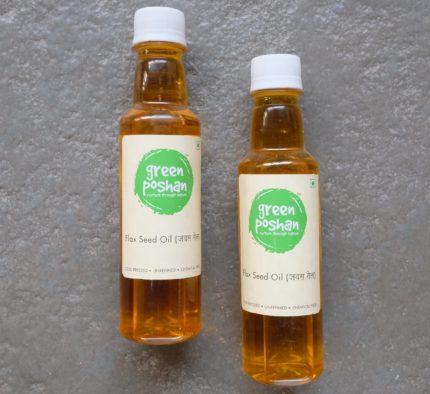
Cold-Pressed Flax seed Oil — 250ml
₹200.00 -

Cold-Pressed Groundnut Oil — 1lit
₹370.00 -
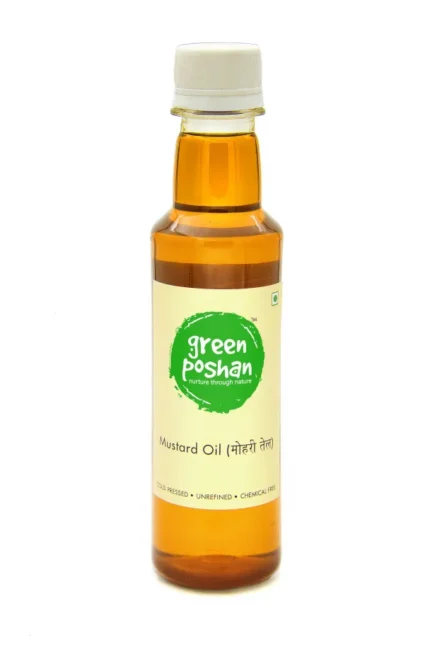
Cold-Pressed Mustard Oil — 250ml
₹150.00 -
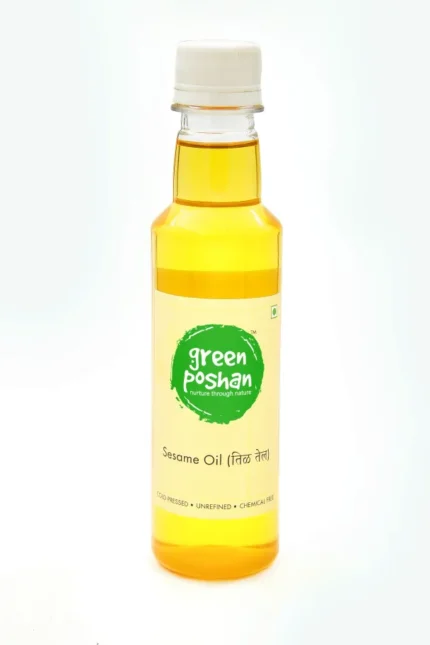
Cold-Pressed Sesame Oil — 250ml
₹200.00
The Real Threat: Adulterants Hidden in Plain Sight
Many adulterants used in India like argemone, palmolein, cheap industrial solvents are invisible in smell, taste, or sight. Even leading supermarket brands have failed random lab tests in recent years.
- Mustard oil: Risks argemone, added palm or rice bran oil causing drops in natural aroma.
- Coconut oil: Often diluted with neutral vegetable fat. Genuine coconut solidifies quickly in cold but so do fake blends if engineered.
- Ghee: May contain vanaspati or margarine with artificial coloring.
Don’t assume price or “big labels” guarantee purity.
How to Identify Pure Cooking Oil at Home The Expert’s Solution
1. Start With Sensory and Visual Clues
- Natural cold-pressed oils have a robust aroma and richer hue especially groundnut and mustard.
- Some unrefined oils retain light sediments.
- Absence of metallic, plastic, or stale/musty odors is basic hygiene, not purity proof.
2. Storage Consistency
- Coconut and real mustard/groundnut oils thicken in cool weather.
- Watch for any strange cloudiness, separation not usually seen in good cold-pressed oils.
3. Demand Batch-Level Scientific Proof
- The only true answer for how to identify pure cooking oil at home today? Brands that display independent, third-party lab test certificates for every batch showing zero mineral oils, argemone, or synthetic chemicals.
This is GreenPoshan’s core commitment, and it’s exactly how you solve the real purity puzzle.
Why GreenPoshan Oils Set the Benchmark
Each GreenPoshan oil groundnut, mustard, sesame, coconut, and flax seed is:
- 100% cold-pressed: Extracted at low temperatures with no chemical solvents, bleaches, or artificial preservatives.
- Batch-lab tested: Every bottle comes from a lot verified for zero adulterants, with reports available upon request.
- Chemical-free and fresh: No aftertaste, no color manipulation, and full traceability back to clean-farming sources.
- Not just “cold-pressed” , truly pure, from farm to bottle.
No other step guarantees safety as powerfully as choosing a certified, transparent oil provider.
Checklist: How to Identify Pure Cooking Oil at Home
- Smell and appearance: Clear, natural color, full-bodied aroma.
- Consistency: Cold-pressed oils often look slightly cloudy or sedimented, especially in cool conditions.
- Source: Prefer oils from direct farm sourcing, not brokers with ambiguous sourcing.
- Most important: Lab-tested purity certificates don’t take brand promises at face value.
- Buy in smaller batches first compare GreenPoshan oils in taste and aroma to your current brand.
FAQs (What Indian Consumers Ask)
How can I check mustard oil purity at home?
Home tests have limits. Only batch-tested, certified oils (like GreenPoshan’s) offer proof. Ask for the certificate, not just a label.
Is expensive oil always pure?
No. Even premium brands can adulterate. Always check for third-party lab reports from your provider.
Does the freezing test prove oil is pure?
Only large-scale, cheap adulterants cannot catch refined, modern chemical blends.
Are cold-pressed and pure oil the same?
Only if “cold-pressed” is backed by full supply chain and purity transparency.
Which oil is best for Indian cooking?
Cold-pressed groundnut, mustard, or sesame oil, batch-tested for purity.
Conclusion: Choose Real Science Over Kitchen Myths
When it comes to how to identify pure cooking oil at home, traditional tricks fall short against today’s sophisticated hazards. True safety lies in science-backed, cold-pressed, and lab-verified oils from transparent, ethical brands.
Switch to GreenPoshan’s cold-pressed oils today taste the natural difference, trust in every drop, and make your kitchen truly safe.